
Choosing the right flooring for a home plays a major role in shaping both comfort and long-term value. For many homeowners exploring new home upgrades, flooring becomes one of the most impactful decisions during renovation or move-in planning. The materials selected can influence durability, maintenance requirements, and overall design cohesion across different living spaces. From high-traffic areas like entryways and kitchens to more private spaces such as bedrooms, each room presents unique considerations that should guide flooring choices.
Modern flooring solutions offer a wide range of styles and finishes, allowing homeowners to align practicality with personal taste. Options such as residential floor coatings, wood floor refinishing, and concrete floor coating systems provide flexibility for various environments. In addition, treatments like garage floor epoxy coating and speckled epoxy floors extend performance into utility spaces while enhancing visual appeal. Proper preparation methods, including concrete flooring prep and sandblasting, ensure that surfaces are ready for long-lasting results.
As new home upgrades continue to evolve, flooring remains a foundational element that connects aesthetics with function. Understanding available materials, preparation techniques, and maintenance needs helps ensure that each room performs well while maintaining a cohesive and polished appearance throughout the home.
What Are The Best Carpet Cleaners For Homeowners?

Understanding Carpet Maintenance In New Home Upgrades
Carpet remains a popular flooring choice in bedrooms and living spaces, especially for homeowners prioritizing comfort. Among new home upgrades, maintaining carpet quality is essential to preserving appearance and hygiene. Regular cleaning helps extend lifespan and prevents buildup of dust, allergens, and stains. Many carpet cleaners are designed for residential use, offering deep cleaning capabilities without requiring professional intervention. Consistent maintenance also helps carpets retain their original texture and color over time, contributing to a cleaner and more inviting home environment.
Choosing Between DIY And Professional Carpet Cleaners
Homeowners often weigh the benefits of portable machines versus professional-grade services. Carpet cleaners used at home can handle routine maintenance, while deeper cleaning may require advanced equipment. In homes that include a mix of flooring types like concrete flooring or wood surfaces, maintaining carpets becomes part of a broader maintenance strategy that complements other new home upgrades. Budget, frequency of use, and household size often influence whether DIY or professional services are the better long-term choice.
Integrating Carpet Care With Overall Flooring Strategy
Effective carpet care should align with the rest of the home’s flooring system. For example, pairing carpeted areas with adjacent residential floor coatings in hallways or entry points can reduce wear and tear. This approach helps maintain consistency across surfaces while supporting long-term durability in high-use zones. Coordinating cleaning and maintenance schedules across flooring types can also simplify home upkeep while preserving overall aesthetic balance.
How To Choose The Right Garage Floor Epoxy Coating?
Evaluating Performance Needs For Garage Spaces
Garage spaces are often overlooked in early planning stages of new home upgrades, yet they require durable surfaces that can withstand heavy use. Garage floor epoxy coating provides resistance to stains, chemicals, and abrasion, making it a practical solution for vehicle storage and workshop environments. Its durability makes it a popular option among homeowners seeking long-term value. It also helps protect the underlying concrete from damage caused by moisture, oil, and temperature fluctuations.
Comparing Epoxy Finishes And Styles
Options such as speckled epoxy floors offer both visual appeal and functional benefits. These finishes can mask minor imperfections while providing slip resistance. In homes where garages are used for more than storage, selecting a finish that aligns with surrounding concrete floor coating systems ensures visual continuity. Color and texture choices can also be customized to match personal preferences or coordinate with exterior design elements.
Installation Considerations And Surface Preparation
Proper concrete flooring prep is essential before applying epoxy systems. Surfaces must be cleaned, leveled, and sometimes treated with sandblasting to ensure adhesion. Working with experienced concrete contractors can help ensure the coating is applied correctly and performs as intended. These steps are critical for achieving lasting results as part of broader residential floor coatings strategies. Skipping proper preparation can lead to premature coating failure or uneven finishes.
What Are The Benefits Of Concrete Floor Coating?

Durability And Longevity In High Traffic Areas
Concrete floor coating is widely used in both residential and commercial environments due to its strength and resilience. As part of new home upgrades, this type of floor coating provides protection against wear, moisture, and staining. It is particularly beneficial in areas like basements, kitchens, and garages where durability is essential. Its ability to withstand heavy use makes it a practical investment for long-term performance.
Aesthetic Flexibility And Modern Finishes
Concrete flooring can be customized with various finishes, colors, and textures. Speckled epoxy floors and polished coatings allow homeowners to achieve a clean, modern look without sacrificing performance. These options blend well with contemporary design themes and can complement other new home upgrades throughout the property. Decorative enhancements also allow homeowners to personalize spaces while maintaining durability.
Maintenance And Long Term Value
One of the key advantages of concrete floor coating is its low maintenance requirements. With proper installation and periodic upkeep, these surfaces can last for many years. This makes them a cost-effective choice for homeowners seeking practical solutions that align with long-term investment goals. Routine cleaning and occasional resealing help preserve both function and appearance over time.
What Should You Know About Floor Coating Options?
Exploring Different Types Of Floor Coating Systems
Floor coating systems come in various forms, including epoxy, polyurethane, and hybrid materials. Each type offers distinct benefits depending on the intended application. Residential floor coatings are designed to enhance durability while maintaining a visually appealing finish suitable for living spaces. Understanding the differences between systems helps homeowners select the most appropriate option for each area of the home.
Matching Floor Coating To Room Function
Different rooms require different performance characteristics. High-traffic areas benefit from durable concrete floor coating systems, while bedrooms may prioritize comfort and warmth. Integrating floor coating choices into broader new home upgrades ensures that each space functions effectively while maintaining consistency. This approach also supports both practicality and visual harmony throughout the home.
Working With Professionals For Best Results
Consulting with experienced concrete contractors can help homeowners select the most appropriate coating system. Professional installation ensures proper surface preparation, application, and curing. In some cases, sandblasting may be used to create a suitable surface profile, especially when applying coatings to older concrete flooring. Professional expertise also helps minimize errors and ensures a more durable finished product.
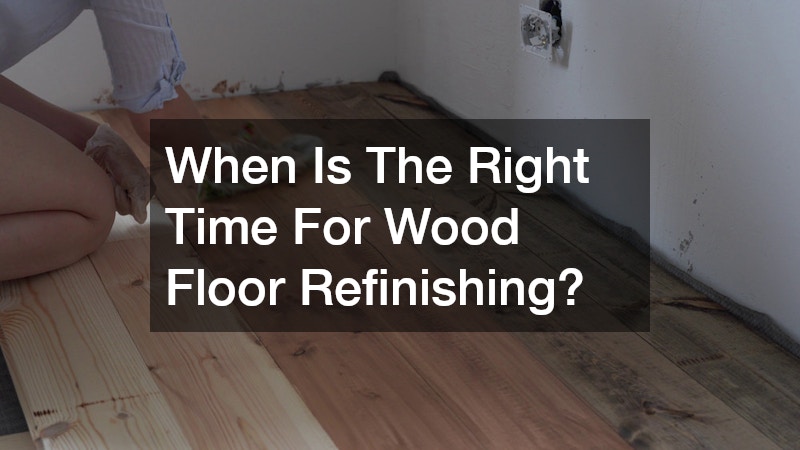
When Is The Right Time For Wood Floor Refinishing?
Recognizing Signs Of Wear And Damage
Wood floors add warmth and character to a home, but over time they can show signs of wear such as scratches, fading, and surface dullness. Wood floor refinishing is an effective way to restore their original appearance. As part of new home upgrades, refinishing can significantly improve both aesthetics and value. Addressing these issues promptly can prevent deeper structural damage and extend the life of the flooring.
Timing Refinishing Projects Strategically
The best time to refinish wood flooring is when visible damage begins to affect appearance or usability. Homeowners often incorporate refinishing into broader renovation plans to align with other flooring improvements such as residential floor coatings or concrete flooring updates in adjacent spaces. Coordinating timing can also reduce disruption and streamline project management.
Maintaining Consistency Across Flooring Types
Balancing wood floor refinishing with other surfaces ensures a cohesive design throughout the home. Whether paired with carpet, tile, or concrete floor coating systems, refinished wood floors contribute to a unified interior environment that reflects thoughtful planning in new home upgrades. Consistent finishes and tones help tie together different rooms into a cohesive whole.
How To Prepare Concrete Flooring For Installation?
Importance Of Proper Surface Preparation
Concrete flooring prep is a critical step in ensuring successful installation of any floor coating system. Without proper preparation, coatings may fail to adhere, leading to premature wear or damage. This step is essential for achieving long-lasting results in new home upgrades. Proper preparation also ensures that the final finish looks smooth and professional.
Techniques Used In Surface Preparation
Methods such as cleaning, grinding, and sandblasting are commonly used to prepare concrete surfaces. Sandblasting, in particular, helps remove contaminants and create a rough texture that improves bonding. These techniques are often performed by experienced concrete contractors who understand the requirements of different floor coating systems. Each method is selected based on the condition and intended use of the surface.
Ensuring Compatibility With Coating Systems
Different coatings require specific surface conditions. Whether installing garage floor epoxy coating or residential floor coatings, proper preparation ensures compatibility and performance. This step supports durability and helps maintain the integrity of the finished surface over time. Matching preparation methods with coating types is essential for achieving optimal results.
What Are Speckled Epoxy Floors, And Why Choose Them?

Visual Appeal And Customization Options
Speckled epoxy floors are a popular choice for homeowners seeking a decorative yet functional surface. These finishes incorporate color flakes into the coating, creating a textured appearance that enhances visual depth. As part of new home upgrades, they offer a balance of style and practicality. Custom color combinations also allow homeowners to coordinate with surrounding design elements.
Practical Benefits For High Use Areas
In addition to aesthetics, speckled epoxy floors provide durability and slip resistance. They are commonly used in garages, basements, and utility rooms where performance is important. When combined with concrete floor coating systems, they create a resilient surface capable of withstanding daily use. Their toughness makes them suitable for areas exposed to heavy equipment or frequent movement.
Integration With Other Flooring Systems
Speckled finishes can complement other materials used throughout the home. Whether paired with wood floor refinishing in living spaces or carpet in bedrooms, these floors help maintain consistency across different environments. Their versatility makes them a valuable addition to residential floor coatings strategies. This adaptability helps unify the overall interior design.
Is Sandblasting Necessary For Preparing Floors?
Understanding The Role Of Sandblasting
Sandblasting is a surface preparation technique used to clean and profile concrete flooring before applying coatings. It removes contaminants such as paint, sealers, and debris, ensuring proper adhesion. In many cases, it is considered an essential step in concrete flooring prep for new home upgrades. This process helps create an ideal bonding surface for coatings to adhere effectively.
When Sandblasting Is Recommended
Sandblasting is particularly useful when dealing with older or heavily used surfaces. It is often recommended by concrete contractors when preparing floors for garage floor epoxy coating or other concrete floor coating systems. The process helps create a uniform surface that supports long-lasting results. It is especially valuable when existing coatings or residues must be removed.
Alternatives And Complementary Methods
While sandblasting is effective, other methods such as grinding or chemical cleaning may also be used depending on the condition of the surface. The choice of preparation technique depends on the specific requirements of the project and the type of residential floor coatings being applied. In some cases, combining methods produces the best results for adhesion and finish quality.
How To Select The Right Residential Floor Coatings?
Assessing Lifestyle And Usage Needs
Selecting residential floor coatings involves evaluating how each space will be used. High-traffic areas may require more durable options, while quieter spaces can prioritize aesthetics. These decisions play a key role in shaping new home upgrades that meet both functional and design goals. Lifestyle considerations such as pets, children, and daily activity levels should also influence the final choice.
Comparing Material Options And Finishes
Homeowners can choose from a variety of coatings, including epoxy, polyurethane, and hybrid systems. Each offers different levels of durability, flexibility, and appearance. Concrete floor coating systems are often preferred for their strength and adaptability across multiple environments. Finish types such as matte or glossy can further refine the overall look of each space.
Working With Experienced Professionals
Consulting with concrete contractors ensures proper selection and installation of floor coating systems. Their expertise in concrete flooring prep, sandblasting, and application techniques helps ensure optimal results. This professional guidance supports the success of residential floor coatings as part of comprehensive new home upgrades. Working with skilled professionals also helps ensure compliance with best practices and long-term performance.
Careful planning allows homeowners to match flooring materials with specific room functions while maintaining consistency throughout the property. Techniques such as concrete flooring prep and sandblasting ensure that surfaces are properly prepared for installation, while options like garage floor epoxy coating and speckled epoxy floors provide both strength and style in utility spaces. Working with experienced concrete contractors can further enhance results by ensuring proper application and adherence to industry standards.
As residential design continues to evolve, residential floor coatings remain an important consideration for those seeking durability and flexibility. Whether updating existing spaces or planning new home upgrades from the ground up, thoughtful flooring decisions can significantly enhance both livability and value. By understanding available materials and preparation methods, homeowners can create environments that are both practical and visually cohesive, supporting long-term satisfaction across every room in the home.