Key Takeaways
- Keep dirt and grit away from hardwood by using entry mats and cleaning high-traffic areas regularly.
- Clean spills quickly to reduce the risk of stains, moisture damage, and problems between floorboards.
- Use cleaning products and methods specifically recommended for your type of hardwood and finish.
- Protect floors from furniture scratches with pads, suitable rugs, and careful moving techniques.
- Manage pet nails, water bowls, and accidents to reduce scratches and moisture exposure.
- Control direct sunlight, temperature, and humidity to help limit fading and unwanted wood movement.
- Inspect floors regularly so scratches, moisture problems, and worn finishes can be addressed early.
Hardwood floors can bring warmth, character, and a clean look to almost any room. They can also last for many years when they receive proper care. However, wood is sensitive to scratches, moisture, dirt, sunlight, and changes in indoor conditions. Everyday habits can slowly damage the surface even when the floor looks strong.
The good news is that protecting hardwood does not require complicated maintenance. Simple steps such as removing outdoor shoes, cleaning spills quickly, and using furniture pads can help reduce common types of damage. The goal is to prevent problems rather than waiting until the floor needs expensive repairs or refinishing.
Not every hardwood floor is the same. Wood species, finish, installation method, age, and manufacturer instructions can all affect how a floor should be maintained. Before using a cleaning product or maintenance method, check the guidance for your specific flooring whenever possible.
The following habits can help protect hardwood floors while making regular home maintenance easier.
1. Keep Dirt From Entering the House
Dirt may seem harmless, but small particles can act like sandpaper when people walk across hardwood. Grit trapped beneath shoes can gradually create tiny scratches and make the finish look dull.
Place sturdy doormats at exterior entrances to catch dirt before it reaches the floor. If possible, use one mat outside and another inside. Clean the mats regularly so they do not become another source of dirt.
Encouraging family members and guests to remove outdoor shoes can also help. This is especially useful during rainy, snowy, or muddy weather. Shoes can carry gravel, moisture, road salt, and other debris that may damage flooring.
Create a convenient place near the entrance for shoes. A small rack, tray, or bench makes the habit easier to follow.
Do not forget entrances from garages, patios, and backyards. These areas may bring even more dirt into the home than the front door.
2. Sweep or Vacuum Regularly
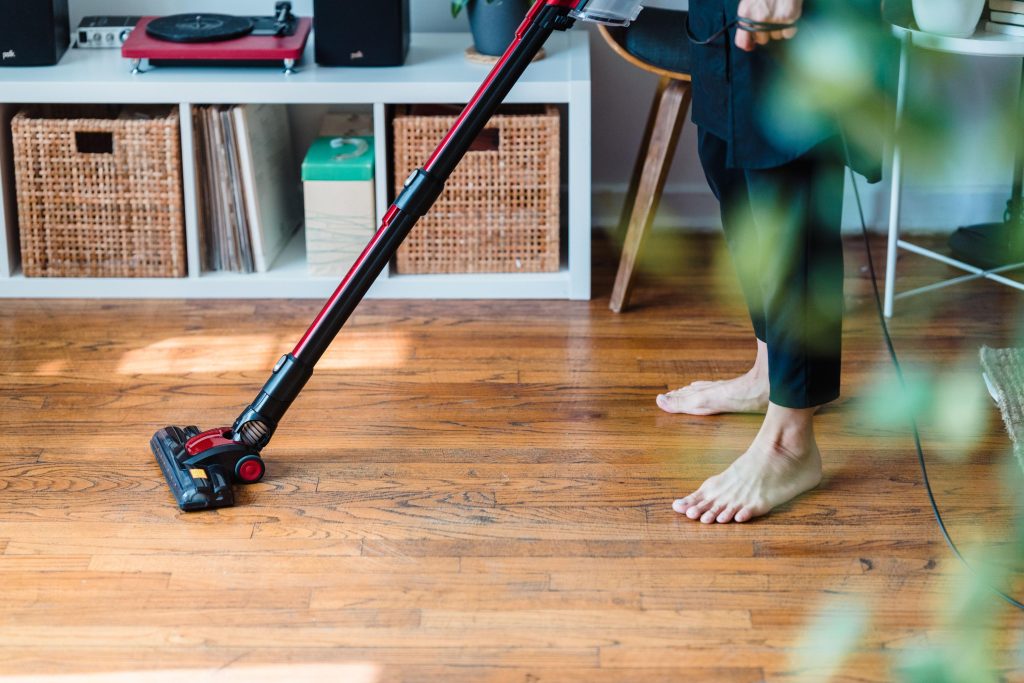
Even with good entry mats, some dust and debris will reach your floors. Regular cleaning prevents these particles from being dragged across the wood.
Use a soft-bristled broom, microfiber dust mop, or vacuum designed for hard flooring. If using a vacuum, make sure its settings and attachments are appropriate for wood floors. A rotating brush or rough attachment may scratch certain finishes.
Focus on high-traffic areas such as hallways, kitchens, entrances, and living rooms. These spaces may need cleaning more often than rooms that receive little use.
Pay attention to corners and areas beneath furniture where dirt can collect unnoticed. Small stones or other hard debris can cause scratches if they are later pulled across the floor.
A quick cleaning several times a week in busy areas can be easier than dealing with a large buildup of dirt later.
3. Clean Spills as Soon as Possible
Water and wood do not always work well together. Liquid that remains on hardwood can sometimes damage the finish, stain the wood, or seep into joints between boards.
Clean spills promptly with a soft, absorbent cloth. Start by blotting the liquid rather than spreading it across a larger area. Then follow the flooring manufacturer’s instructions for cleaning any remaining residue.
Pay particular attention to areas near sinks, refrigerators, pet bowls, exterior doors, and indoor plants. These are common places for small leaks and spills.
Check underneath pet bowls and plant containers occasionally. A slow leak can remain hidden long enough to discolor or damage the wood.
If a large amount of water reaches the floor because of a plumbing leak, appliance problem, or flooding, remove the water quickly and investigate whether moisture has reached beneath the flooring. Significant water exposure may require professional evaluation.
4. Use the Right Cleaning Products
Not every household cleaner is safe for hardwood. Products that work well on tile or other surfaces may damage a wood floor’s finish.
Check the flooring or finish manufacturer’s recommendations before choosing a cleaner. Use products specifically approved for the type of hardwood and finish in your home.
Avoid assuming that a homemade cleaning solution is automatically safer. Ingredients such as vinegar or other acidic substances may not be appropriate for every finish.
Use only the amount of cleaning product recommended. Applying more does not necessarily make the floor cleaner and may leave residue behind.
When trying a new product, consider testing it in a small, less visible area first if the manufacturer recommends doing so.
If you do not know what finish is on an older floor, ask a flooring professional before using strong cleaners, waxes, polishes, or restoration products.
5. Avoid Excess Water When Mopping
Hardwood floors generally should not be cleaned with large amounts of water. Saturating the floor can allow moisture to enter gaps, seams, or damaged areas in the finish.
Use a cleaning method recommended for your floor. If damp mopping is permitted, the mop should normally be well wrung out rather than dripping wet.
Work in manageable sections and avoid leaving puddles behind. Any visible moisture should dry quickly.
Steam cleaners also require caution. High heat and moisture may damage some wood flooring or finishes, and many manufacturers do not recommend steam cleaning. Check the care instructions for your specific floor before using one.
If a floor requires heavy scrubbing to look clean, stop and identify the problem. The issue could be residue from an unsuitable cleaner rather than actual dirt.
Gentle, regular cleaning is usually better than repeatedly using aggressive methods.
6. Put Protective Pads Under Furniture
Furniture can scratch hardwood when it shifts, even by a small amount. Dining chairs are common sources of damage because they move several times a day.
Install felt or another flooring-approved protective pad underneath chair legs, tables, sofas, and other furniture. Make sure the pads are clean and in good condition.
Check them periodically. Felt pads can wear down, collect dirt, or fall off. A missing pad may expose a hard furniture leg directly to the floor.
Never drag heavy furniture across hardwood. If you need to rearrange a room, lift items when possible or use appropriate furniture-moving equipment designed to protect the flooring.
Furniture protection becomes especially important when planning whole home flooring, since consistent habits can help protect large connected areas from the scratches caused by chairs, tables, and other movable pieces.
7. Use Rugs in High-Traffic Areas
Area rugs and runners can protect parts of the floor that receive frequent foot traffic.
Consider using them in hallways, entryways, and other busy locations. A rug can collect dirt and reduce direct wear on the finish.
Choose rug pads that are approved for use with hardwood. Some rubber, plastic, or colored backings may react with certain floor finishes or trap moisture. Check flooring and rug-pad recommendations before use.
Clean beneath rugs regularly. Dirt can work its way underneath and scratch the floor when people walk across the rug.
Avoid leaving damp rugs on hardwood. Entry mats, bathroom rugs, and kitchen mats may become wet without being noticed.
Rugs can also reduce wear, but they may affect how sunlight reaches the floor. Moving them occasionally, when practical, may help you monitor differences in color caused by light exposure.
8. Protect Floors From Pet Damage
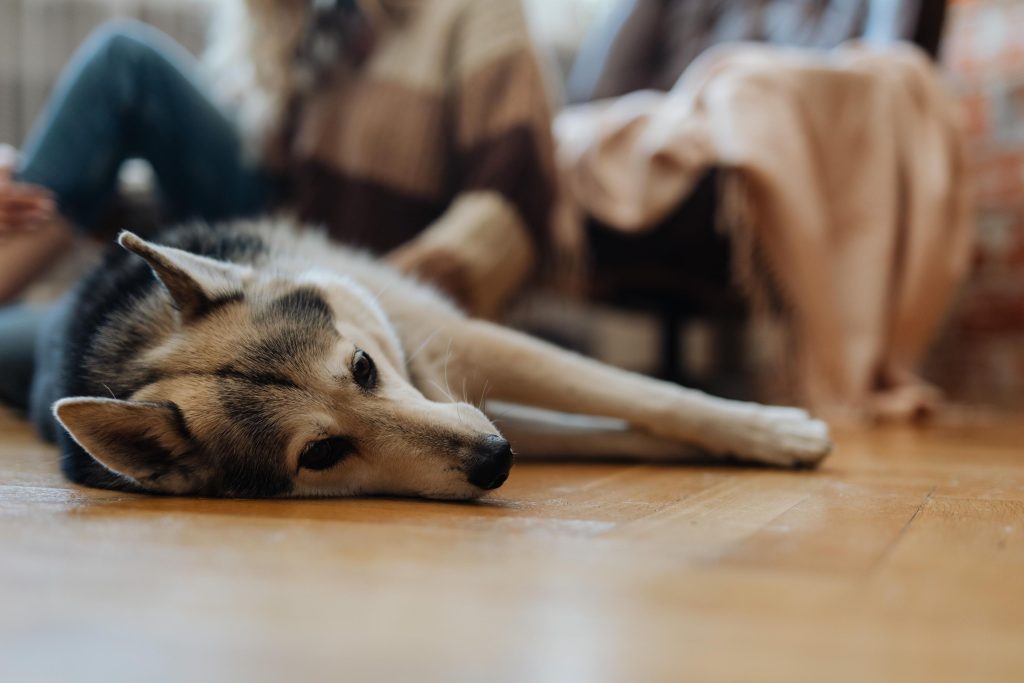
Pets and hardwood floors can coexist, but a few habits can help reduce scratches and moisture problems.
Keep your pet’s nails properly trimmed according to veterinary or grooming guidance. Long nails can make more contact with the flooring, especially when a dog runs or suddenly changes direction.
Place a suitable mat beneath food and water bowls to catch splashes. Choose a mat that will not damage the floor or trap moisture underneath.
Clean accidents promptly using products approved for your flooring. Pet urine can stain some wood and may create odors if it reaches between boards.
Keep an eye on areas where pets frequently play or run. Rugs or runners may help protect heavily used paths.
Pet owners should also sweep or vacuum more frequently because hair and outdoor dirt can accumulate quickly. Regular cleaning helps keep abrasive debris from spreading through the home.
9. Manage Sunlight and Indoor Conditions
Sunlight can gradually change the color of wood. Some species may darken, while others may become lighter depending on the wood, finish, and level of exposure.
Use curtains, blinds, or shades when strong sunlight enters the same area for long periods. Window coverings can reduce direct exposure, although they may not completely prevent color changes.
Rearranging rugs or furniture occasionally may help prevent sharp differences between exposed and covered areas.
Indoor temperature and humidity can also affect hardwood. Wood naturally expands and contracts as environmental conditions change. Extreme swings can contribute to gaps, cupping, or other movement.
Follow the flooring manufacturer’s recommended indoor conditions when available. Heating, air conditioning, humidifiers, or dehumidifiers may help maintain a more stable environment depending on your climate.
If you notice sudden or severe changes in the boards, investigate possible moisture or humidity problems rather than assuming they are normal.
10. Move Heavy Items Carefully
Moving a refrigerator, sofa, cabinet, or other heavy item can cause deep scratches or dents in only a few seconds.
Never push heavy objects directly across hardwood. Empty cabinets or other movable furniture first when doing so safely reduces their weight.
Use flooring-safe furniture sliders or protective boards designed for moving heavy items. Make sure no grit is trapped underneath the protective material before you begin.
Large appliances require extra care. Follow appliance and flooring recommendations, and consider professional help if an item is difficult to move safely.
When completing home improvement projects, protect the flooring before tools and materials enter the room. Drop cloths or appropriate temporary floor protection can help, but make sure the product will not trap moisture, stain the finish, or slide dangerously.
Planning the route before moving something heavy can prevent rushed decisions that damage both the floor and furniture.
11. Inspect the Floor for Early Signs of Damage
One of the simplest maintenance habits is regularly looking at the floor. Small problems are easier to address when you notice them early.
Watch for scratches, loose boards, unusual gaps, stains, discoloration, raised edges, or areas where the finish appears worn. Also investigate musty odors or repeated moisture near the same location.
Minor surface wear may only require maintenance recommended for the finish. Deeper scratches or damaged boards may need professional repair.
Do not automatically apply wax, polish, or refinishing products to hide damage. Some products may not be compatible with the existing finish and could make future refinishing more difficult.
If the floor begins to show widespread wear, ask a flooring professional whether recoating, refinishing, repair, or replacement is appropriate. The best option depends on the type and thickness of the flooring and the extent of the damage.
Conclusion
Protecting hardwood floors is mostly about preventing everyday damage before it becomes serious. Dirt, moisture, furniture movement, pet activity, sunlight, and unsuitable cleaning methods can gradually affect both the wood and its protective finish.
Simple habits can make a meaningful difference. Use mats at entrances, sweep or vacuum regularly, clean spills quickly, place pads under furniture, and use suitable rugs in busy areas. When cleaning, follow the recommendations for your specific flooring rather than assuming that every wood floor can be treated the same way.
It is also important to pay attention to the environment around the floor. Control excess moisture, monitor indoor conditions, protect the surface during home projects, and move heavy furniture carefully. Regular inspections can help you notice wear or damage before it spreads.
Hardwood is designed to be lived on, so keeping it in good condition does not mean trying to prevent every small mark. Instead, focus on reducing avoidable damage and maintaining the finish properly. With consistent care and a few simple household habits, hardwood floors can remain attractive, functional, and easier to maintain for many years.